
Low openness
A tighter mesh for intense glare and heat, with a more filtered view.
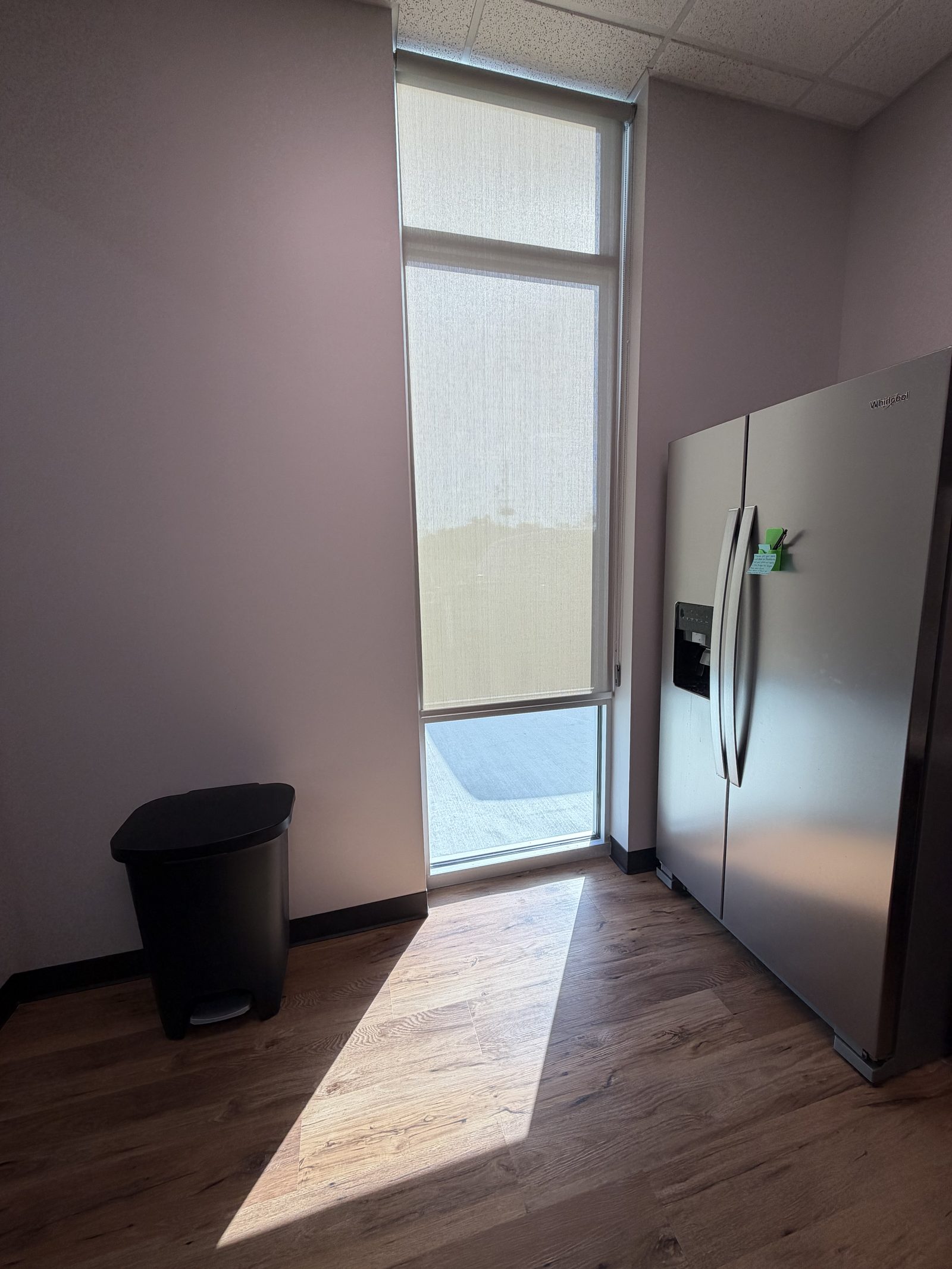
Houston sun control without giving up the view
Screen-like fabric that cuts glare and UV while keeping your view to the outside — built for Houston's sun, not just the look of a shade.
Solar shades solve a specific problem: wanting the view outside without the glare, heat, and slow furniture fade that come with an unshaded window.
Read the window exposure
We test actual samples at the window because orientation and fabric color change what you see.
A tighter mesh for intense glare and heat, with a more filtered view.
A common middle ground for Houston living spaces and offices.
Preserves more of the exterior view when glare reduction is important but not extreme.
Matched to the project
We source across multiple manufacturers to match openness, color, hardware, and budget.

Broad, practical solar-fabric choices for residential and commercial spaces.

Refined solar and roller systems with coordinated hardware options.

Premium fabric, design, and automation options for whole-home projects.
We define what the opening needs first, then choose the brand and system that solve it best.
The main reason people call us for these — full sun exposure without losing the reason they built the room.
Cuts glare on the screen without closing off the space during the day.
UV protection matters here even more than heat — fading is permanent, and slow enough that people don't notice until it's done.
The samples below explain the tradeoff; the final choice happens against your actual view and exposure.
We bring physical sample books so you can compare color, weave, and openness during the in-home demonstration.
Straight answers
The same openness that lets you see out can let others see in when lighting reverses after dark.
Plan your quote
The quote reflects both the opening and the performance level you choose.
We compare samples at the window so you understand the view and privacy tradeoff before ordering.
Good to know
At most openness levels, no — that's the specific advantage of solar fabric over a standard light-filtering shade. Lower openness percentages block more but reduce view-through more too; we'll help you pick the right balance.
Yes, meaningfully. UV is the main driver of fading in wood floors and furniture, and solar fabric blocks a large share of it while still letting you see outside.
Often, yes. When the room is brighter than outside, the view-through reverses. Pair solar shades with another treatment where nighttime privacy matters.
No. It gives stronger sun control but also reduces view-through. The right number depends on orientation, glare, and how important the view is in that room.
Color affects glare, outward visibility, and heat behavior. We compare actual samples rather than choosing on appearance alone.
Yes. Motorization works well for tall glass, grouped windows, and shades you want to schedule around afternoon sun.
Measured at home · Recommended honestly · Installed by Starlite
See the fabric, opacity, and hardware in the light of your own rooms before you choose. Free in-home consultation with real samples—no pressure either way.